Explore the impact and reach of research from SIMAD University.
The university's research priorities align with national development goals, regional imperatives, and global scientific advancements. These priorities aim to foster interdisciplinary collaboration, generate innovative solutions, and contribute to evidence-based policymaking.
| Research Theme | Key Research Focus Areas | Alignment with National and Global Impact |
|---|---|---|
| National Development Plan (Somalia 2025-2029) · Sustainable Development Goals (United Nations) | ||
| Public Health and Well-being |
| Pillar 4: Social Development SDG 2 (Zero Hunger), SDG 3 (Good Health and Well-being) |
| Digital Transformation and Emerging Technologies |
| Pillar 3: Economic Development SDG 8 (Decent Work), SDG 9 (Industry, Innovation, and Infrastructure) |
| Business, Entrepreneurship, and Economic Development |
| Pillar 3: Economic Development SDG 1 (No Poverty), SDG 8, SDG 9 |
| Climate Change and Environmental Sustainability |
| Pillar 5: Resilience and Disaster Management SDG 6 (Clean Water), SDG 7 (Clean Energy), SDG 11, SDG 13 (Climate Action) |
| Education, Policy, Law and Governance |
| Pillar 1: Inclusive Politics and Governance + Pillar 2: Security and Rule of Law SDG 4 (Quality Education), SDG 16 (Peace, Justice, and Strong Institutions) |
| Arts and Engineering |
| Pillar 4: Social Development + Pillar 3: Economic Development SDG 8, SDG 9, SDG 11 (Sustainable Cities), SDG 16 |
Key Research Focus Areas
NTP
Pillar 4: Social Development
SDGs
SDG 2 (Zero Hunger), SDG 3 (Good Health and Well-being)
Key Research Focus Areas
NTP
Pillar 3: Economic Development
SDGs
SDG 8 (Decent Work), SDG 9 (Industry, Innovation, and Infrastructure)
Key Research Focus Areas
NTP
Pillar 3: Economic Development
SDGs
SDG 1 (No Poverty), SDG 8, SDG 9
Key Research Focus Areas
NTP
Pillar 5: Resilience and Disaster Management
SDGs
SDG 6 (Clean Water), SDG 7 (Clean Energy), SDG 11, SDG 13 (Climate Action)
Key Research Focus Areas
NTP
Pillar 1: Inclusive Politics and Governance + Pillar 2: Security and Rule of Law
SDGs
SDG 4 (Quality Education), SDG 16 (Peace, Justice, and Strong Institutions)
Key Research Focus Areas
NTP
Pillar 4: Social Development + Pillar 3: Economic Development
SDGs
SDG 8, SDG 9, SDG 11 (Sustainable Cities), SDG 16
SIMAD University's research productivity has shown impressive growth over the years, with a steady increase in the number of papers published annually. These papers have been featured in prestigious indexed journals in both Scopus and ISI databases, highlighting the university's commitment to quality and global impact. The research spans a wide range of disciplines, demonstrating the diverse expertise within the university.
SIMAD University's publication history is truly inspiring. It rose from none to an impressively high number of papers across Scopus, ISI, and peer-reviewed journals. This remarkable journey highlights the university's dedication to learning and making valuable contributions to academic knowledge.
| Journal Title | Publisher | Indexing | Research Area |
|---|---|---|---|
| Heliyon | Elsevier | Scopus, Web of Science | Multidisciplinary |
| SAGE Open | SAGE Publications | Scopus | Social Sciences |
| The Journal of Open Innovation: Technology, Market, and Complexity | MDPI | Scopus, Web of Science | Innovation, Technology, Business |
| Frontiers in Public Health | Frontiers Media | Scopus, Web of Science | Public Health |
| Sustainability | MDPI | Scopus, Web of Science | Environment, Development, Social Sciences |
| Global Journal of Flexible Systems Management | Springer | Scopus | Management, Business, Systems Thinking |
| International Journal of Electrical and Computer Engineering | IAES | Scopus | Engineering, Technology |
| PLOS ONE | Public Library of Science | Scopus, Web of Science | Multidisciplinary |
| Cogent Social Sciences | Taylor & Francis | Scopus | Sociology, Education, Political Science |
| International Journal of Disaster Risk Reduction | Elsevier | Scopus, Web of Science | Climate, Risk, Disaster Management |
SIMAD University's research output reflects a rich diversity of scholarly contributions, underscoring the institution's growing influence in the academic community. As of 2025, the university has produced 380 journal articles, which form the backbone of its scholarly publications and affirm its strong presence in reputable international outlets. Additionally, 32 review papers have been published, offering comprehensive evaluations and syntheses of existing knowledge across key disciplines. The university's engagement in academic discourse is further evidenced by 23 conference papers, indicating active participation in regional and international research forums. SIMAD scholars have also contributed 6 book chapters, reflecting expertise in specialized subject areas, and published 15 letters, often used to present concise yet impactful research findings. Moreover, the output includes 3 notes, 1 editorial, and 1 erratum, each playing a unique role in enriching the academic record. This broad spectrum of scholarly work highlights SIMAD University's dedication to academic excellence, intellectual leadership, and research that drives innovation and societal development.
The distribution of documents across diverse subject areas highlights the university's multidisciplinary approach to research, reflecting its commitment to advancing knowledge across fields and addressing complex, real-world challenges. SIMAD University has emerged as a pioneering institution in Somali research, driving innovation and academic excellence, with a strong focus on producing high-quality, impactful research across information technology, engineering, social sciences, and health.
Research outputs aligned to the Sustainable Development Goals (SDG) and Somalia's National Development Plan (NTP). Counts reflect approved outputs per goal.
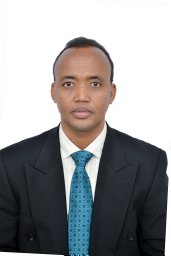
Prof. Abdurezak Abdulahi Hashi
International Islamic University Malaysia

Dr. Ulrike Dinglreiter
University of Bayreuth, Germany
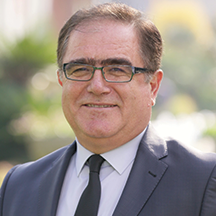
Assoc. Prof. Dr. Durmuş Özdemir
Kütahya Dumlupınar University, Türkiye

Don Eliseo III Lucero-Prisno
London School of Hygiene and Tropical Medicine, UK
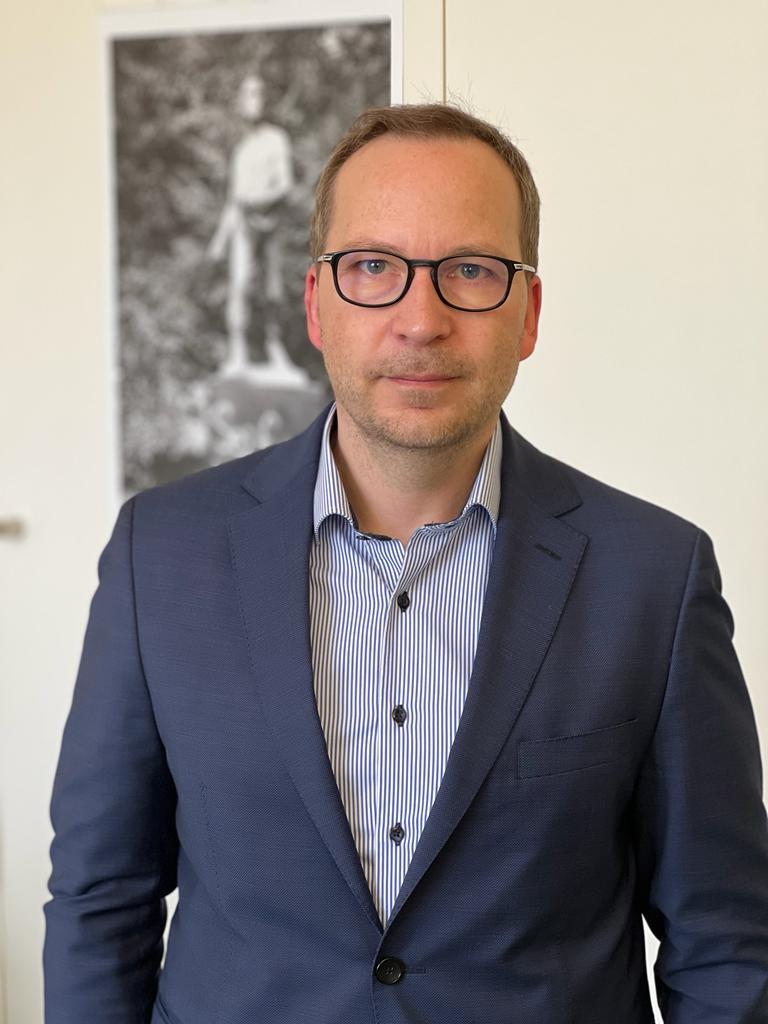
René Brosius
University of Bayreuth, Germany
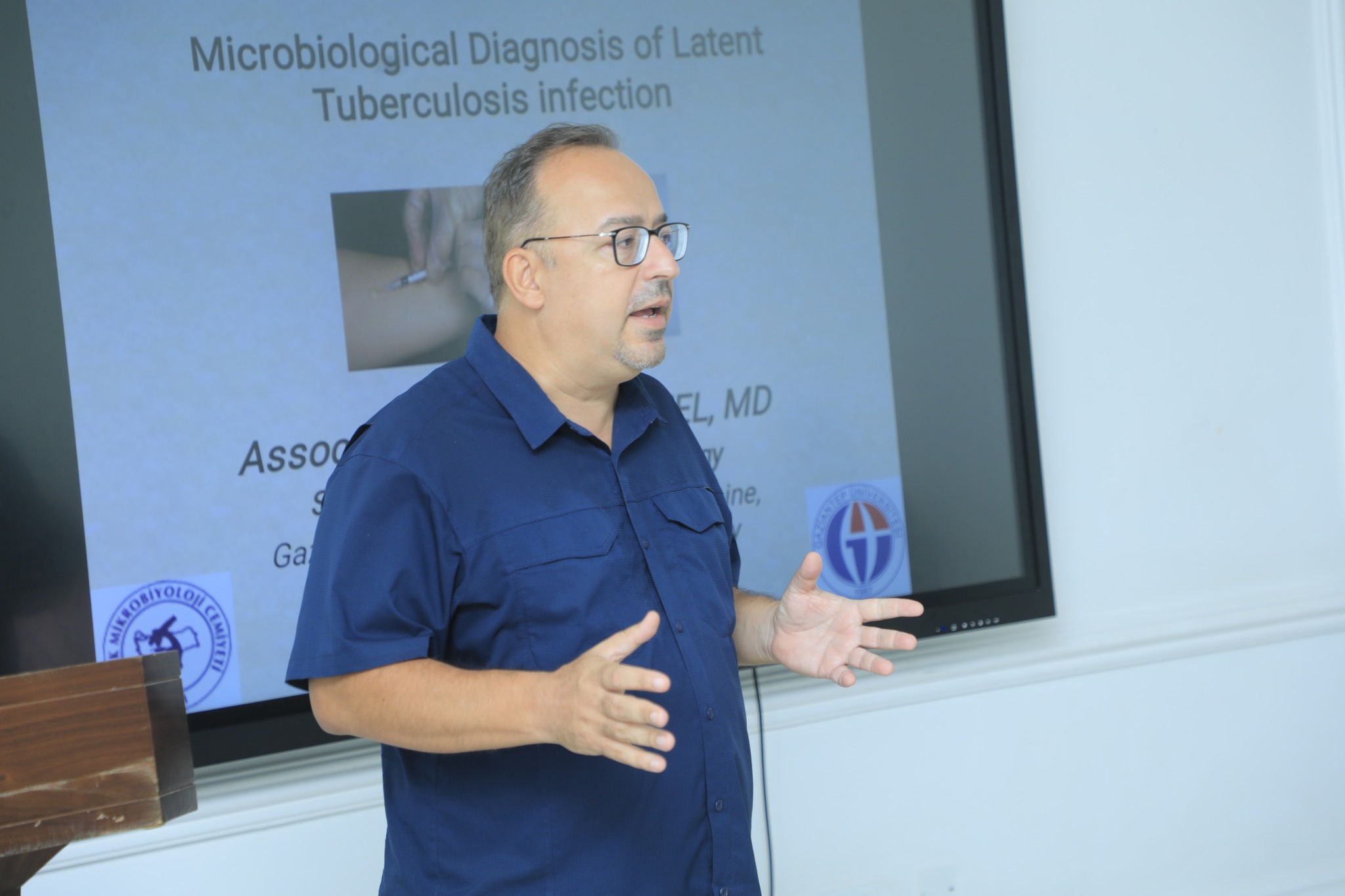
Prof. Dr. Deniz Gazel
Gaziantep Üniversitesi, Türkiye